
Established in Orange County | Online across Ca, NC, & PSYPACT States
DIABETES THERAPY
Support to live fully, not fearfully.
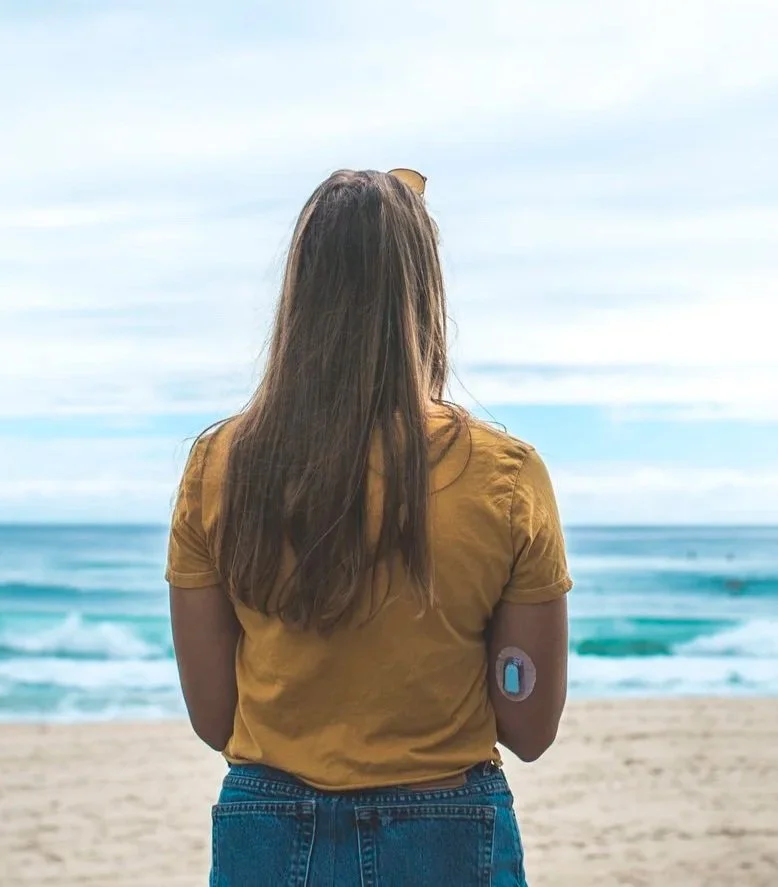
You’ve been trying to reach out for support — but you’re tired of having to explain diabetes to the people who are supposed to be helping you with it.
Every day you wake up with diabetes in your life, you work harder than most people just to get through the day. You try to follow your doctors’ advice, but you also want to live your life – and finding that balance feels impossible. On hard days, you spend so much time and energy thinking about or avoiding blood sugars that there’s no space for living in the moment or taking care of your other responsibilities. Even on days you make it look easy, you’re still working overtime —making constant tiny decisions and worrying about short and long-term outcomes. You’ve tried talking with your diabetes team, tips and tricks from diabetes influencers, maybe you’ve even tried therapy — but it’s draining having to explain what diabetes is like to the people you’re trusting to make it better. You dream about the day there will be a cure, but in the meantime, you wish you could find relief from the never-ending pressure that comes with diabetes management.
-
Diabetes never gives you a day off. No matter how much effort or attention you give it, it always seems to need more. You care about your health, but it’s exhausting considering all the variables and making micro-decisions and calculations all the time. Not to mention the fear, guilt, and shame that comes with swinging blood sugars. Something’s got to give, but what you’ve tried so far hasn’t brought you closer to peace.
-
When others think about birthday parties, dinner with friends, or family hikes, it sounds fun – but all you imagine is rollercoaster BGs, carb calculations, feeling left out, and the stress of explaining diabetes yet again. You want to live a full life, but adding more diabetes stress to your plate right just doesn’t seem like an option right now. You wish there was a way to feel safe, excited and included without also feeling drained by the extra pressure.
-
Your CGM data looks like a mountain range when you wish it was an easy flat road. Maybe it’s hard for you to trust your pump or take enough insulin because you’re afraid of going low – so your BG swings high and you worry about future complications. Maybe you’re busy with an unpredictable schedule, want to feel spontaneous, or just need a break from the pressure of constant monitoring – so you run high to “stay safe,” knowing the long-term risks. But the brief relief you feel from avoiding your blood sugars and ratio calculations is temporary – and the guilt, fear, and shame while you chase your numbers keep coming back. You want to figure out a way to balance your health, your quality of life, and your unique needs – but something is always getting in the way and you don’t know how to fix it.
-
Snacks, sports, school events, going to a friend’s house – these normal parts of childhood turn into negotiations, debates, or all out battles when you’re taking care of a child with diabetes. You want your kid to feel “normal” and included, but you also want them to be safe and healthy — now and in the future. When the stakes are so high, you just want them to learn, be vigilant, and understand how to protect themselves when they’re on their own. You want the best for your child, but diabetes keeps getting in the way of their life and your family’s relationships.
-
You understand the science, your doctor’s recommendations, and all the reasons you should check your blood sugar, take insulin, or change your site. But the actual act of doing it feels way harder. Maybe you’ve had a bad experience with it before, or maybe your nervous system just kicks on in overdrive when it’s time to administer your diabetes cares. You just want it to feel easier to follow your medical plan and still feel safe in your body at the same time.
Maybe you’re struggling with…
how i can help
Find balance, relief, and confidence with a therapist who gets it.
Throughout a long career in diabetes psychology, I have had the honor of joining many on their diabetes journey. From sitting at hospital bedside during a first diagnosis, to advocating during clinic visits, to supporting people in achieving their unique life goals, I’ve learned that for as many different people as there are in the world, there are just as many different ways that diabetes can impact a life.
That’s why when we first meet, I want to know about who you are – what you value, your daily routines, and what kind of change you’re hoping for. We’ll explore your relationship with diabetes, and together identify what’s getting in the way of you living your best life. Then we’ll design a custom plan for you to make progress in and out of session, so you can start seeing meaningful change as soon as possible.
Unlike many therapists, I help you apply mental health strategies using real-time coaching during the diabetes-related moments that matter most. Whether we meet during a prescribed prebolus, during or after a meal, or while you take a walk, my goal is to help you use skills during the toughest times so you feel more confident practicing them on your own.

Less explaining. More healing.
My roots in diabetes psychology dates back to 2013, when I began researching mental health effects of a Type 1 Diabetes diagnosis on parents and children for my doctoral dissertation. Since then, I have enjoyed working alongside endocrinologists, diabetes educators, and dietitians at the University of Chicago Kovler Diabetes Center, the UCSF Madison Clinic for Pediatric Diabetes, and CHOC Children’s Diabetes Clinics.
I’m passionate about teaching, training, and advocating for mental health within the diabetes community — from presenting to hospital systems, to consulting with medical technology companies, to speaking at diabetes conferences and organizations. And I am proud to be approved as a provider with vetted diabetes expertise in the American Diabetes Association’s Mental Health Provider Directory.
My background in diabetes
**I am not a medical doctor, endocrinologist, or certified diabetes educator. When medical advice or team collaboration is needed, I feel confident in coordinating care with your medical team.
Walking alongside you through every season of life with diabetes.
-
Whether you have Type 1 Diabetes, Type 2 Diabetes, LADA, steroid-induced diabetes, or something else, I’m here to help you find your new normal. Together, we can work through coping with your diagnosis, adjusting after an initial honeymoon, processing changes in your personal identity and family roles, consider ways to disclose diabetes to family and friends, self-advocate for accommodations at work and/or school, and more.
-
When a child has diabetes, the whole family system needs support. Together, we can shore up parent, child, and sibling coping, problem-solve developmental issues around diabetes management and cooperation, and reduce family conflict around distribution of diabetes responsibilities. I also offer consultation in school and special education advocacy, advice for 504/IEP plans, and nonjudgmental diabetes language training for school professionals.
-
If your goal is to change your blood sugars or health management behaviors, I’m here to help with health behavior change. Together we can improve motivation, build plans to achieve specific goals, create realistic routines, mitigate hypo anxiety, and manage disordered eating (e.g., carb restriction, diabulimia).
Your emotional health is critical, too — so I routinely screen for and treat depression, anxiety, and other mental health concerns common in PWDs.
-
Diabetes is hard enough, but it can feel impossible if needles are an extra stressor for you. Together, we can create customized “poke plans,” increasing tolerance of CGM placement or pump site changes, treat needle or injection phobia, and reduce distress around diabetes tasks.
-
Transition to college or out of the home is a vulnerable time for young adults with diabetes. Together we can prepare for major life and responsibility transitions, build independence and consistency in diabetes management tasks, consider how to disclose diabetes to new friends and partners at school, maximize safety and risk reduction around drugs and alcohol, and promote self-advocacy at college and work settings.
imagine a life where…
Trusting your own diabetes habits and decision-making comes naturally.
Days feel lighter, smoother, and less chaotic. When you see a natural shift in blood sugar, you calmly and confidently take the next best step without panicking or second-guessing. You’re making choices using sound advice from your endocrinologist instead of responding to intense emotional triggers. Since you’ve stopped overanalyzing, you’ve freed up space to think more creatively and flexibly — about diabetes, work, relationships, and hobbies.
The things that used to scare you, now feel routine and simple.
What once triggered your entire nervous system now feels easy. Pump changes are uneventful, giving a pre-bolus feels as easy as brushing your teeth, and taking a full prescribed dose of insulin is part of your normal daily self-care. You actually enjoy going to parties, dinners, and sports functions. You’ve done the hard work, and now you can focus on the things that really matter the most to you.
You feel satisfied and successful in all areas of life, including diabetes management — with more BG stability and time in range.
You’re at peace with where you are in your relationships, work, life — and yes, even your diabetes care. You’ve developed sustainable, realistic routines that fit in your real life. When the unexpected happens, your systems allow space for you to flex and return to stability. You’re proud to share your BG data at office visits, and even your medical team is asking how you managed to turn it all around.
Family & friends are noticing that you’re more joyful and present.
Your friends, family, even work colleagues notice something’s changed about you. You’re less bogged down, more engaged, and more likely to connect. Maybe you even show up to more events, stay longer, and feel better the next day — having relied on your new strategies to maintain balance and presence.
Ready to find relief?
You don’t have to do diabetes alone anymore — change is possible.
BOOK FREE CONSULT
BOOK FREE CONSULT
Established in orange county | Telehealth therapy available across california, north carolina, and Psypact states.